
Why Your Back Locked Up — and How to Safely Unlock It
Dealing with this in San Diego? Same-day appointments are often available at our 4 clinics.
The most effective lower back stretches for muscle spasms — in order of progression:
- Child’s Pose — Hold 30–60 seconds to gently decompress the spine
- Knee-to-Chest Stretch — Hold 30–60 seconds to release lumbar tension
- Cat-Cow Pose — Repeat 5–10 times to restore spinal mobility
- Supine Spinal Rotations — 10–15 slow knee rolls side to side
- Prone on Elbows — Hold 10–60 seconds to restore lumbar extension
Start with Step 1 and progress slowly. Stop if you feel sharp or radiating pain.
One second you’re bending down to grab something off the floor. The next, your lower back seizes up and every movement feels impossible. If that sounds familiar, you’re far from alone — about 80% of adults will experience lower back pain at some point in their lives, and sudden muscle spasms are one of the most common triggers.
Here’s the part that surprises most people: your instinct to lie still and wait it out is actually working against you. Modern physical therapy shows that gentle, active movement — not bed rest — is what breaks a spasm cycle fastest.
I’m Dr. Zach Cohen, double board-certified in Anesthesiology and Chronic Pain, with fellowship training in Pain Medicine at UC San Diego. In my clinical practice, I regularly guide patients through targeted lower back stretches for muscle spasms to restore mobility without surgery or heavy medication, and in this guide I’ll walk you through exactly what works.
Lower back stretches for muscle spasms definitions:
- lower back stretches for office workers
- stretches for the lower back
- stretches to help lower back strain
Understanding Lower Back Spasms and Their Causes
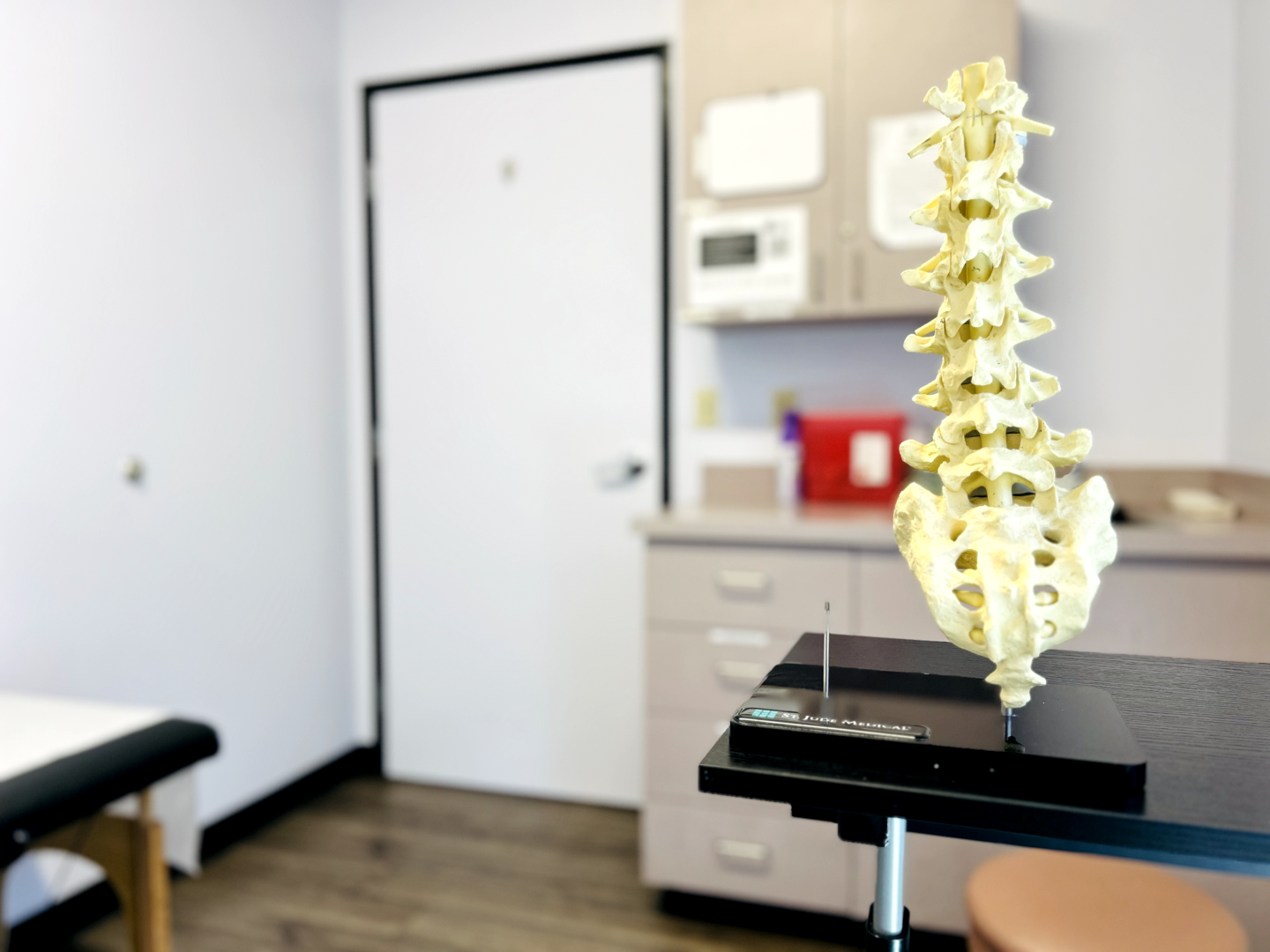
When your lower back “throws itself out,” it can feel like a catastrophic structural failure. In reality, it is almost always a powerful, protective muscular reaction. To treat it effectively, we first have to understand what is happening beneath the skin.
What is a Lower Back Muscle Spasm?
A lower back muscle spasm is an involuntary, sustained contraction of one or more muscles in the lumbar region. The primary culprits are usually the paraspinal muscles (which run along either side of your spine) and the quadratus lumborum (a deep lower back muscle that connects your pelvis to your spine).
When these muscles experience a micro-tear, sudden overload, or extreme fatigue, they enter a state of hyper-contraction. This is the body’s natural “splinting” mechanism—an attempt to lock down the area to protect the underlying spine from perceived injury. If you have ever wondered How to treat muscle strain safely, understanding this protective reflex is the very first step.
Why Gentle Lower Back Stretches for Muscle Spasms Work
When a muscle locks up, it compresses nearby blood vessels, restricting oxygen and nutrient-rich blood flow to the tissue. This lack of oxygen causes the muscle to cramp further, creating a painful, self-reinforcing loop known as the pain-spasm-pain cycle.
Using targeted lower back stretches for muscle spasms works by physically lengthening the shortened muscle fibers. This manual stretch sends signals to your nervous system (specifically the Golgi tendon organs) that it is safe to let go, helping down-regulate the over-firing nerves. By gently stretching, you restore blood flow, flush out inflammatory metabolic waste, and break the spasm cycle. For a comprehensive overview of how these movements function, you can consult our detailed lower back stretches guide.
Spasm vs. Herniated Disc: How to Tell the Difference
One of the greatest hurdles to recovering from an acute back spasm is fear. Many people immediately worry that they have herniated a disc or caused permanent damage. Let’s look at how to distinguish a muscular spasm from a structural spinal issue.
Red Flag Symptoms of a Herniated Disc
While a muscle spasm causes intense, localized, aching pain that can feel tight or “locked,” a herniated disc typically presents with nerve compression symptoms. If you have a pulled muscle lower back and buttock, the pain is usually dull and localized to those muscle groups.
In contrast, red flag symptoms of a herniated disc or severe nerve compression include:
- Sciatica: Sharp, electric, or burning pain that shoots down past your knee into your calf or foot (usually on only one side).
- Neurological Deficits: True muscle weakness, such as “foot drop” (an inability to lift the front part of your foot when walking).
- Saddle Numbness: Loss of sensation in the groin, buttocks, or inner thighs—the areas that would make contact with a saddle.
- Bowel or Bladder Dysfunction: A sudden inability to urinate or control bowel movements. This is a medical emergency known as Cauda Equina Syndrome and requires immediate emergency care.
Asymptomatic Herniations in the General Population
If you have had an MRI that showed a herniated or degenerated disc, do not panic. Landmark clinical research reveals that 60% to 80% of adults without any back pain have 1 to 3 disc herniations.
Disc degeneration and bulging are a normal, asymptomatic part of the aging process—much like getting gray hair or wrinkles on the inside. Unless you are experiencing the nerve-related red flags listed above, your acute pain is highly likely to be a muscular strain or spasm that will resolve completely with active, conservative care.
Immediate First Aid When a Back Spasm Strikes
When a sudden spasm locks your back, what you do in the first few hours dictates how quickly you will recover.
Ice vs. Heat for Acute Spasms
When a spasm first strikes, it is common to wonder whether to reach for an ice pack or a heating pad.
- The First 48 Hours: Use ice exclusively. An acute spasm often involves localized tissue inflammation. Applying heat immediately can act like “pouring fuel on a fire,” increasing localized swelling. Wrap an ice pack in a thin towel and apply it to the painful area for 15 to 20 minutes every few hours. This numbs the pain and calms acute inflammation.
- After 48 Hours: Once the acute inflammatory phase begins to subside, transition to heat therapy. Warmth increases blood flow, relaxes stiff muscle fibers, and prepares the tissue for stretching.
For a deeper dive into managing the initial hours of an injury, review the clinical guidelines on Acute Back Muscle Spasm – Immediate Treatment or read our guide on how to get instant relief from back pain.
Active Recovery vs. Bed Rest
A century ago, doctors prescribed weeks of strict bed rest for back pain. Today, we know that prolonged bed rest is one of the worst things you can do. Staying immobile causes your muscles to tighten further, reduces blood circulation, and can even lead to secondary complications like joint stiffness and decreased muscle tone.
Instead, practice active recovery. After a brief period of supported rest to let the acute spike of pain settle, begin introducing gentle micro-movements and short, flat walks. Walking gently pumps blood through your lumbar region, accelerating the healing process. Learn more about this modern approach in our resource on how to relieve lower back pain in 7 simple steps.
5 Essential Lower Back Stretches for Muscle Spasms
When performing these stretches, remember: never force a movement. We want to find a “productive edge”—a gentle, comfortable pull. If a movement triggers a sharp, electric, or radiating pain, back off immediately. For detailed anatomical positioning, see our guide on how to stretch lower back.
Step 1: Child’s Pose for Gentle Decompression
This classic yoga posture is an excellent starting point because it uses your body weight to gently decompress the lumbar spine without requiring active muscle contraction.
- How to do it: Begin on your hands and knees. Slowly push your hips back toward your heels while letting your chest lower toward the floor. Extend your arms out in front of you, placing your palms flat on the ground, and gently rest your forehead on the floor (or a yoga block).
- Hold time: Maintain this position for 30 to 60 seconds while taking slow, deep diaphragmatic breaths.
- Why it works: It opens up the joint spaces in your lower back and gently elongates the paraspinal muscles. For office workers, this is also a fantastic daily reset; see our desk job relief 7 essential lower back stretches for office workers for more ideas.
Step 2: Knee-to-Chest Stretch to Release Tension
This stretch targets the lower back and gluteal muscles while keeping your spine fully supported by the floor.
- How to do it: Lie flat on your back (supine position) with your knees bent and feet flat on the floor. Gently clasp your hands behind one thigh (or over the shin) and guide that knee toward your chest until you feel a mild stretch in your lower back. Keep the opposite foot flat on the floor to stabilize your pelvis.
- Hold time: Hold for 30 seconds, then switch sides. If this feels comfortable, you can progress to pulling both knees to your chest simultaneously.
- Why it works: It safely flattens the lumbar spine, stretching the deep spinal extensors and relieving pressure on the facet joints. You can find more routines like this in our daily back stretches guide.
Step 3: Cat-Cow Pose for Lumbar Mobility
This dynamic movement helps restore gentle, controlled flexion and extension to a guarded spine.
- How to do it: Start on all fours with your hands directly under your shoulders and knees under your hips. As you inhale, gently let your belly sag toward the floor, lift your chest, and look slightly upward (Cow Pose). As you exhale, pull your belly button toward your spine and round your back toward the ceiling, letting your head hang loose (Cat Pose).
- Repetitions: Perform 5 to 10 slow, fluid repetitions, moving only within a pain-free range of motion.
- Why it works: It introduces gentle movement to the joints and muscles, helping to pump fluid into the spinal discs and reduce stiffness. For more movement ideas, check out our guide on exercises for lower back pain.
Step 4: Supine Spinal Rotations for Gentle Twisting
Rotational stretches help release tension in the oblique and lateral lower back muscles, such as the quadratus lumborum.
- How to do it: Lie on your back with your knees bent, feet flat on the floor, and arms spread wide for stability. Keeping your shoulders glued flat to the floor, slowly let both knees roll to one side as far as comfortable. Hold for 5 to 10 seconds, return to the center, and let them roll to the opposite side.
- Repetitions: Perform 10 to 15 slow repetitions on each side.
- Why it works: It mobilizes the lumbar rotation joints and stretches the lateral spinal stabilizers. For a clinical perspective on rotational therapies, read the Lower back spasm treatment: Spasm relief, stretches, and prevention article.
Step 5: Prone on Elbows to Restore Extension
Many muscle spasms occur when the back is stuck in a flexed (forward-bent) position. This stretch gently coaxes the spine back into extension.
- How to do it: Lie flat on your stomach. Slowly prop yourself up onto your elbows, keeping your forearms flat on the floor and your shoulders directly above your elbows. Keep your hips and pelvis completely relaxed and resting on the ground.
- Hold time: Hold this position for 10 to 60 seconds, breathing deeply into your abdomen.
- Why it works: It helps restore the natural inward curve (lordosis) of your lumbar spine and coaxes tight abdominal and hip flexor muscles to release. This exercise is a core component of the 15 minute workout for a pain free back.
Safe Movement Guidelines and Prevention Strategies
Stretching is a powerful tool, but it must be done with proper mechanics to prevent aggravating an active injury.
When to Avoid Lower Back Stretches for Muscle Spasms
While gentle movement is highly beneficial, there are times when you should pause and rest. Stop stretching immediately if you experience:
- A sudden, sharp, stabbing pain instead of a dull, productive pull.
- New or worsening numbness, tingling, or weakness in your legs or feet.
- An intense “guarding reflex” where your muscles clamp down harder in response to the stretch.
If stretching makes the spasm tighten further, your nervous system is still perceiving the movement as a threat. In these cases, focus on slow, deep belly breathing in a supported position (such as lying on your back with your knees bent and supported by pillows) before attempting to stretch again.
Long-Term Prevention and Core Strengthening
Once your acute spasm has resolved, the goal shifts to preventing recurrence.
- Hydration and Electrolytes: Dehydration directly increases muscle irritability. Ensure you drink plenty of water and maintain a healthy balance of key electrolytes (magnesium, potassium, and calcium).
- The Hip Hinge: When lifting objects, avoid bending from your waist. Instead, perform a “hip hinge” by pushing your hips back (as if closing a car door with your rear) and keeping your spine straight, using your powerful glute and leg muscles to lift.
- Core and Glute Strengthening: A strong core acts as a natural corset for your spine. Incorporate gentle pelvic tilts, glute bridges, and bird-dogs into your weekly routine to build endurance in the muscles that support your lower back. For a complete prevention blueprint, read our ultimate lower back pain guide.
Frequently Asked Questions about Lower Back Spasms
How long does a lower back spasm last?
An acute, uncomplicated lower back muscle spasm typically begins to ease within a few days and resolves completely within 1 to 2 weeks of gentle, active self-care. However, if the underlying trigger—such as poor posture, muscle weakness, or joint stiffness—is not addressed, spasms can become chronic or recur periodically.
Is it safe to stretch during an acute back spasm?
Yes, but with one major caveat: gentleness is key. Forcing a deep, aggressive stretch on a locked muscle will trigger its protective reflex, causing it to clamp down even harder. Focus on micro-movements, slow breathing, and gentle, progressive stretches like the Child’s Pose and Knee-to-Chest stretch. Never push into sharp pain. Learn more about managing home care in our a to z guide to at home back pain relief.
When should I see a doctor for back spasms?
You should consult a medical professional if your back pain does not improve after 3 to 5 days of conservative home care, or if it is accompanied by any of the red flags discussed earlier (such as radiating leg pain, numbness, or weakness). A physical therapist or pain specialist can help identify the exact mechanical issue triggering your spasms and design a targeted recovery plan. To learn how specialized therapy can help, read about back pain physical therapy.
Conclusion
Experiencing a sudden lower back muscle spasm can be incredibly disruptive, but it is important to remember that your body is executing a temporary, protective response—not a permanent structural failure. By avoiding prolonged bed rest, staying gently active, and systematically progressing through targeted lower back stretches for muscle spasms, you can safely guide your back out of its locked state and restore your full mobility.
At California Pain Consultants, we specialize in comprehensive, non-surgical pain management tailored to your unique lifestyle. Our board-certified doctors serve patients across San Diego, Kearny Mesa, Chula Vista, Rancho Bernardo, La Mesa, and Miramar, California, offering compassionate care and personalized treatment plans to help you live pain-free.
If you are struggling with persistent back pain or recurring spasms, do not wait for the pain to worsen. More info about pain management services is available on our website—contact us today to schedule your consultation and take your first step toward lasting relief.