
A superior hypogastric plexus block is an image-guided injection that numbs a network of nerves in front of the lower spine, interrupting pain signals that travel from the pelvic organs. It may help adults with chronic pelvic pain, including pain related to endometriosis, bladder pain, gynecologic conditions, or pelvic cancer, when other treatments have not been enough. The board-certified pain specialists at California Pain Consultants in San Diego perform this procedure as part of an individualized pelvic pain plan.
Pelvic pain is one of the most physically and emotionally exhausting types of chronic pain a person can experience.
Unlike temporary discomfort that improves after rest, chronic pelvic pain often follows patients throughout the day and night. Sitting becomes uncomfortable. Standing too long may worsen symptoms. Sleep becomes interrupted. Intimacy may become painful. Even simple activities such as walking, driving, or working can become difficult because the pain constantly remains in the background.
The purpose of Superior Hypogastric Plexus Block is not to promise a cure. It is to address a carefully identified pain source, support function, and help the patient participate more comfortably in an individualized care plan.
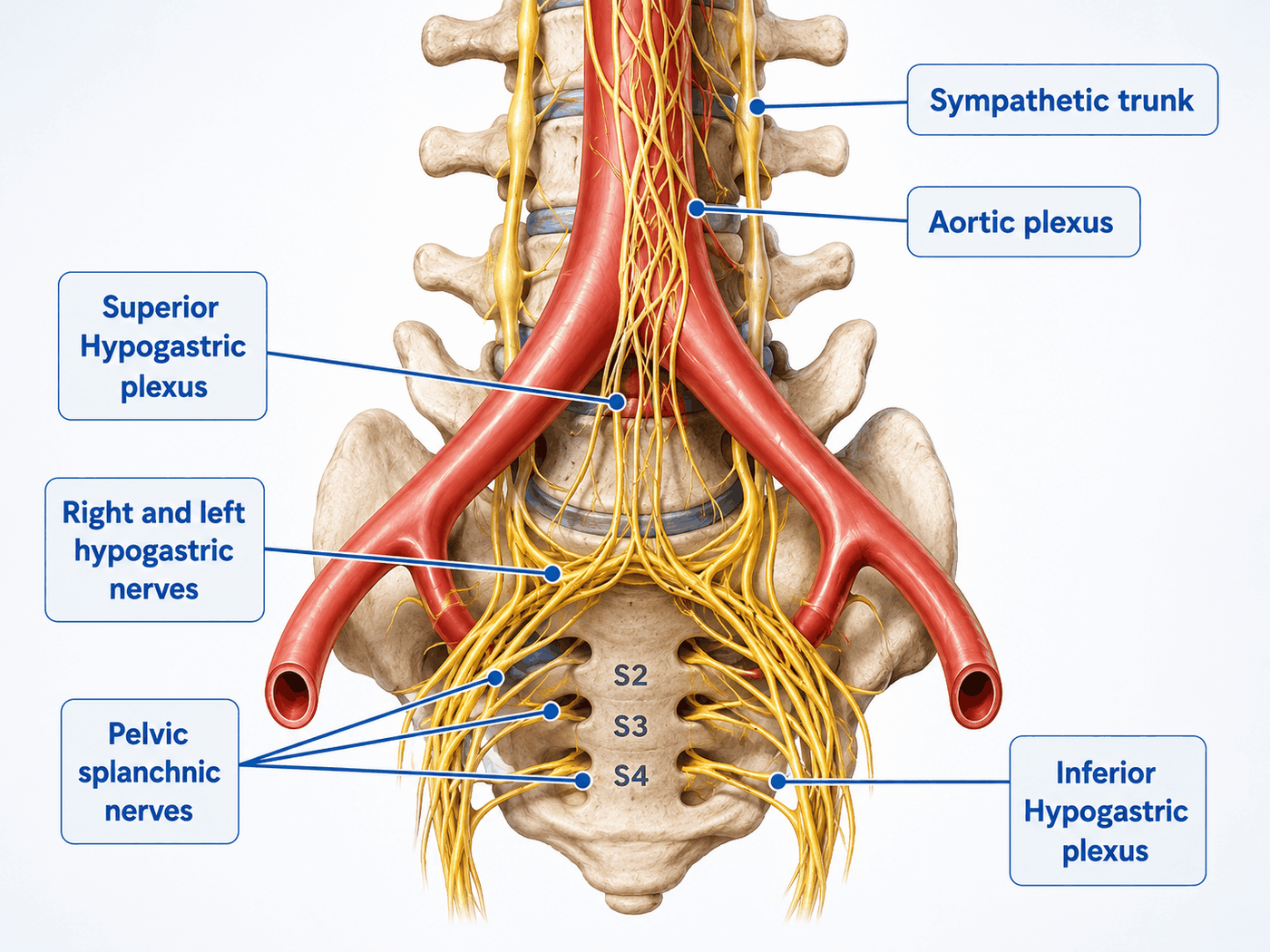
What Is a Superior Hypogastric Plexus Block?
Understanding the diagnosis and treatment target helps set realistic expectations before Superior Hypogastric Plexus Block is recommended.
The pelvis contains many important organs, muscles, nerves, and connective tissues.
Pain in this region can become complex because multiple structures may contribute to symptoms simultaneously.
When pain becomes chronic, the nervous system itself may become hypersensitive over time.
The Superior Hypogastric Plexus is a network of nerves located in the lower abdomen near the spine.
This nerve plexus carries pain signals from many pelvic organs and structures to the brain.
Because these nerves help carry pelvic pain signals, targeting them may help reduce chronic pelvic pain. The superior hypogastric plexus is part of the sympathetic nervous system, so this procedure belongs to the same family as other sympathetic blocks and the celiac plexus block used for upper abdominal pain.
Two kinds of injection may be used:
- A diagnostic or therapeutic block with local anesthetic, sometimes combined with a steroid, to test whether these nerves carry your pain and to provide relief
- A neurolytic block, in which a medication is used to interrupt the nerves for longer, most often considered for cancer-related pelvic pain
When Superior Hypogastric Plexus Block May Be Considered
A procedure or medication plan is chosen only after the likely pain source, prior care, health history, and personal goals have been reviewed.
Chronic Pelvic Pain Syndrome
This includes persistent pelvic pain without adequate relief from conservative treatment. The Eunice Kennedy Shriver National Institute of Child Health and Human Development describes pelvic pain as chronic when it lasts more than 6 months and affects quality of life, and in one study it cites, about 1 in 7 women of childbearing age in the United States reported pelvic pain lasting 6 months or longer. Our pelvic pain page explains the many possible causes.
Endometriosis-Related Pain
Some patients with severe endometriosis pain may benefit from nerve-targeted pain management, in coordination with their gynecologist.
Cancer-Related Pelvic Pain
Pelvic cancers may create severe pain affecting quality of life. For these patients, a block may reduce the need for high doses of pain medication and their side effects.
Bladder Pain Syndromes
Certain chronic bladder pain conditions may involve pelvic nerve irritation.
Gynecologic Pain Conditions
Pain involving pelvic reproductive structures may sometimes respond to targeted nerve blocks.
Rectal or Lower Pelvic Pain
Pain involving pelvic nerve pathways may occasionally respond to plexus blockade.
Symptoms and Daily-Life Effects to Discuss
Tell your clinician where symptoms occur, what makes them better or worse, and how they affect function. That pattern can be as important as an imaging result.
- Deep aching pelvic pain
- Pressure sensations
- Burning discomfort
- Cramping pain
- Lower abdominal pain
- Pain radiating into the hips or groin
- Pain during sitting or movement
How Candidacy Is Evaluated
Not everyone with a related diagnosis is a candidate for Superior Hypogastric Plexus Block. Evaluation is used to confirm the treatment target and compare reasonable alternatives.
Medical history
Your clinician reviews pain location, pelvic conditions, surgical history, cancer history, and previous treatments.
Physical examination
The examination looks for tenderness, pelvic discomfort patterns, nerve-related symptoms, and functional limitations, and helps separate organ-related pain from muscle or nerve pain.
Imaging and care planning
Imaging helps guide diagnosis and treatment planning by showing structural abnormalities, inflammation, tumors, or surgical changes.
What to Expect During Superior Hypogastric Plexus Block
Specific instructions vary. The care team explains preparation, anesthesia or medication decisions, what the patient may feel, and the follow-up plan before treatment.
Step 1: Preparation
The patient is positioned comfortably, usually lying face down. The skin is cleaned carefully, and local anesthetic is used to numb the area.
Step 2: Imaging Guidance
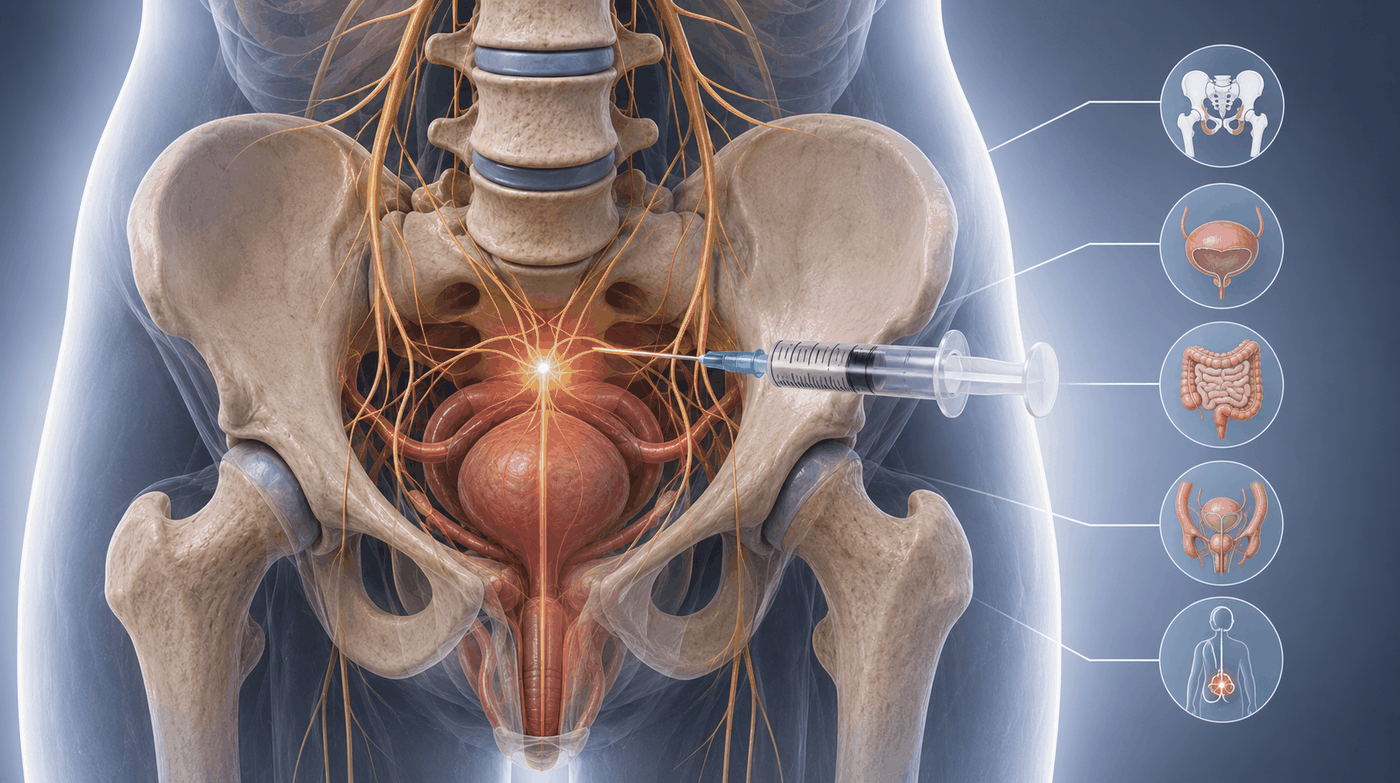
Using fluoroscopy or CT guidance, the physician carefully positions needles near the superior hypogastric plexus. Imaging guidance is extremely important for precision and safety because the plexus lies deep in the body near major blood vessels.
Step 3: Contrast Confirmation
Contrast dye may be used to confirm proper needle placement.
Step 4: Medication Injection
Medication is injected near the plexus to interrupt pelvic pain signaling.
Step 5: Recovery and Observation
Patients are monitored briefly before returning home. After a nerve block, Cleveland Clinic notes that patients typically rest for 15 to 30 minutes while the medication takes effect and are observed before going home.
Recovery, Timing, and Follow-Up
Response to Superior Hypogastric Plexus Block varies with the diagnosis, treatment technique, and individual health factors. Follow the specific instructions provided by your care team.
After treatment
Recovery is generally relatively quick, and most patients return home the same day. Some temporary soreness near the injection area is common initially. Plan for someone else to drive you home.
When improvement may begin
Some patients experience relief relatively quickly after the procedure, while others notice gradual improvement over several days. Timing depends on the underlying condition, the severity of nerve irritation, and how long symptoms have been present.
How long effects may last
Relief duration varies between patients. Some experience temporary relief, others longer-lasting improvement, and some notice progressive relief after repeat procedures. The response often depends on the underlying pelvic condition being treated. Speaking of nerve blocks generally, Cleveland Clinic notes that relief may last a few days, several weeks, months, or even years.
Potential Benefits of Superior Hypogastric Plexus Block
The goal is meaningful improvement in comfort and function, not an unsupported promise that every symptom will disappear.
- Reduced pelvic pain
- Improved sitting tolerance
- Better sleep
- Improved mobility
- Reduced medication dependence
- Improved quality of life
- Many patients report feeling more functional and emotionally relieved after successful treatment
- A treatment plan matched to a defined pain source
Risks, Safety, and When to Call
All treatments have risks. The risks of Superior Hypogastric Plexus Block depend on the technique, medication or device, anatomy, and individual health history.
- Temporary soreness
- Bleeding
- Infection
- Temporary numbness
- Low blood pressure briefly after treatment
Contact your care team for increasing redness, warmth, swelling, drainage, fever, severe or worsening pain, or numbness or weakness that does not improve as expected. Seek emergency care for trouble breathing, fainting, or signs of a severe allergic reaction.
How This Treatment Fits Into Comprehensive Care
Interventional care is most useful when it supports a broader plan built around diagnosis, movement, function, emotional well-being, and informed decision-making.
Part of a broader plan
The goal is individualized care focused on long-term quality of life. A complete plan may include pelvic floor therapy, medication management, counseling and emotional support, rehabilitation programs, and neuromodulation in selected cases.
Support for daily life
Many patients slowly begin structuring life around avoiding pain triggers. Over time, chronic pelvic pain may affect independence, confidence, and emotional well-being. Targeted treatment may help restore comfort and quality of life again, including sitting for long periods, working, exercising, and traveling.
Ongoing reassessment
Pain care is adjusted over time according to function, response, side effects, and the patient’s priorities.
Is a Superior Hypogastric Plexus Block Right for You?
Chronic pelvic pain can slowly affect every part of life. It interferes with movement, sleep, emotional health, relationships, work, and overall well-being. Over time, patients may feel physically and emotionally drained because the pain never fully leaves.
California Pain Consultants provides individualized evaluation and discusses the expected benefits, limitations, alternatives, and risks before recommending care.
Superior Hypogastric Plexus Block at California Pain Consultants
At California Pain Consultants, pelvic pain care begins with a private, detailed conversation and a review of your prior evaluations from gynecology, urology, gastroenterology, or oncology. If a superior hypogastric plexus block fits your pain pattern, your physician explains the goal of the injection, how your response will be measured, and what options follow if relief is partial or short-lived. Procedures are performed with image guidance at the Comprehensive Pain ASC in Rancho Bernardo and the EPC Surgery Center in La Mesa.
We see patients at four clinics across San Diego County: Kearny Mesa, Rancho Bernardo, La Mesa, and Chula Vista. We accept most insurances. Request your appointment or call (858) 571-3630 to talk with your care team.
Book Your AppointmentTrusted Information and Related Care
General medical references: MedlinePlus: Pain · National Institute of Neurological Disorders and Stroke: Pain.
Related California Pain resources: Pelvic pain · Cancer pain · Conditions and treatments.
This article is for general education and does not replace an individualized medical evaluation. Recommendations depend on the diagnosis, health history, current medications, examination, imaging or diagnostic testing, and personal goals.
Frequently Asked Questions
What does a superior hypogastric plexus block treat?
A superior hypogastric plexus block treats pain that comes from the pelvic organs, such as the uterus, bladder, lower colon, and rectum. It may be considered for chronic pelvic pain, endometriosis-related pain, bladder pain, and cancer-related pelvic pain. It is less likely to help pain that comes mainly from muscles, joints, or the pudendal nerve.
Is the procedure painful?
Most patients tolerate the procedure well. The skin is numbed first, and light sedation may be offered. You may feel pressure and brief discomfort as the needles are positioned with imaging guidance. Soreness in the lower back for a day or two afterward is common and usually mild.
How long does relief from the block last?
Relief varies from person to person. Some patients notice benefit for days to weeks, while others experience longer-lasting improvement, especially after repeat blocks. When a block is used for cancer-related pain, a neurolytic injection may be considered to extend relief. Your care team tracks your response to plan next steps.
Can I go home the same day?
Yes, a superior hypogastric plexus block is an outpatient procedure, and most patients go home the same day after a brief observation period. Because sedation or numbing medication can affect your reflexes, you will need someone to drive you home. Most people resume normal activities within a day or two.
What if the block does not help?
If the block does not relieve your pain, that result still helps narrow the source. It may mean your pain comes from muscles, joints, or other nerves rather than the pelvic organs. Your care team can then consider pelvic floor therapy, trigger point injections, other nerve blocks, or neuromodulation.