
Finding the Right Pain Killer for Waist Pain
Dealing with this in San Diego? Same-day appointments are often available at our 4 clinics.
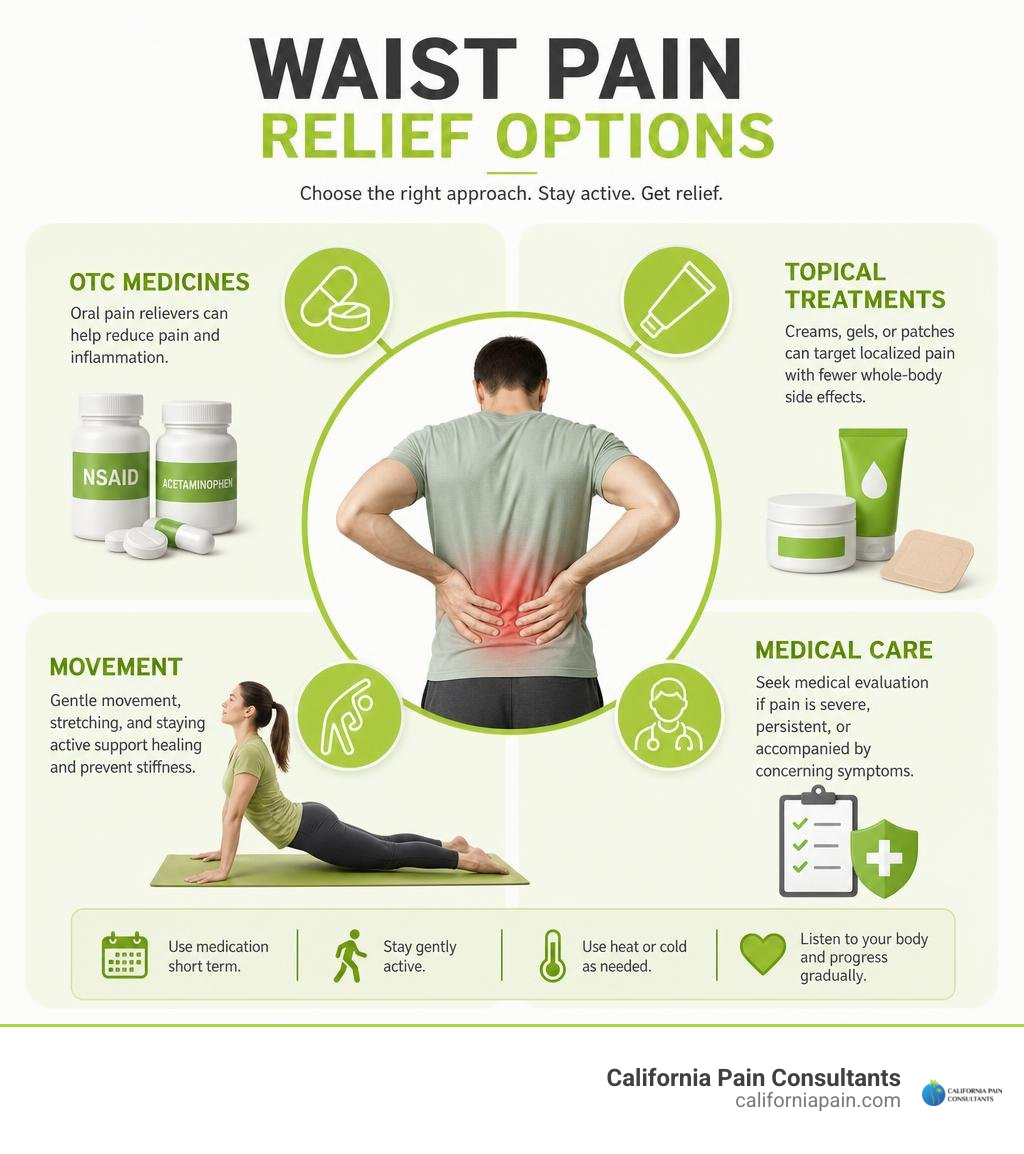
For most waist or lower back pain, an over-the-counter NSAID such as ibuprofen or naproxen can help when inflammation from a strain, arthritis, or a flare-up is part of the problem. If NSAIDs are not safe for you, acetaminophen may be an option, though it often provides less relief for low back pain. Topical diclofenac gel, menthol products, or capsaicin cream may help localized pain with fewer whole-body side effects.
The best pain killer for waist pain depends on why you hurt. A pulled muscle, irritated joint, pinched nerve, kidney problem, or pain spreading from another area may need very different care. Medicine should be a short-term tool that helps you stay gently active, not the only plan.
Lower back pain is extremely common: about 80% of adults experience it at some point. Most new episodes improve within weeks, especially when people avoid prolonged bed rest and combine sensible pain relief with movement, heat, and targeted exercise.
I am Dr. Zach Cohen, a double board-certified anesthesiologist and chronic pain specialist who treats back, joint, and nerve pain with medication when appropriate, alongside non-surgical and movement-based options. In this guide, I will explain how to choose a safer pain killer for waist pain and when persistent symptoms need a medical evaluation.
Key pain killer for waist pain vocabulary:
- over the counter pain killers for back pain
- what pain reliever is good for back pain
- waist pain relief medicine
Understanding Waist Pain and Common Musculoskeletal Causes
When people mention waist pain, they are usually describing discomfort centered across the lower back, flanks, or pelvic rim. The lumbar spine is an engineering marvel designed to support your upper body weight while allowing you to bend, twist, and walk. It consists of five large vertebrae (L1–L5) separated by shock-absorbing intervertebral discs, stabilized by a dense network of ligaments, tendons, and paraspinal muscles.
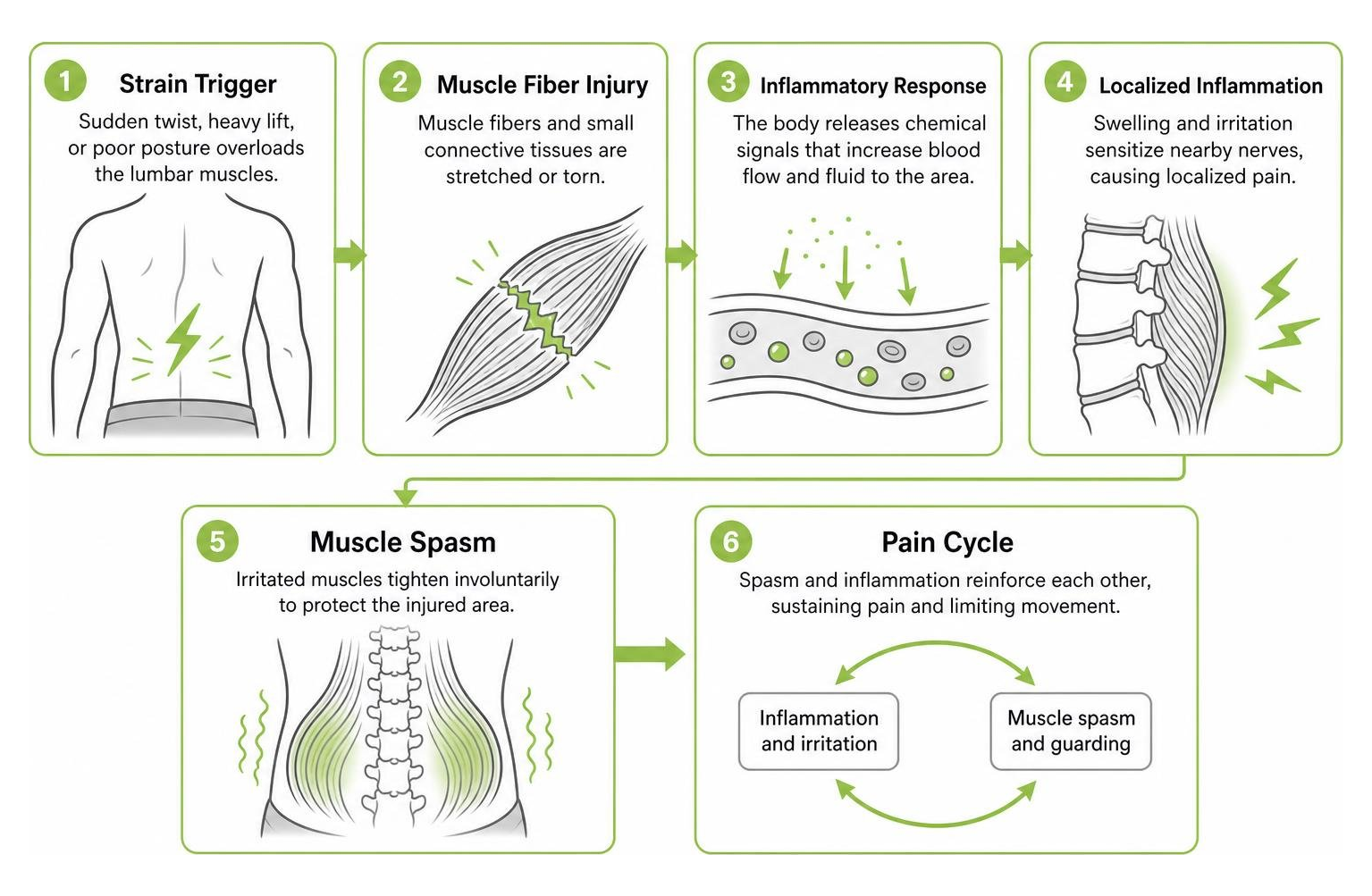
Because this anatomical zone bears immense mechanical stress, it is susceptible to several distinct pain triggers:
- Lumbar Muscle Strains and Ligament Sprains: Overstretching or tearing muscle fibers or connective ligaments from heavy lifting, sudden twisting, or poor posture.
- Degenerative Disc Disease: Age-related wear and tear where lumbar discs lose hydration and cushioning ability.
- Facet Joint Arthropathy: Osteoarthritis affecting the small stabilizing joints connecting adjacent vertebrae.
- Sacroiliac (SI) Joint Dysfunction: Inflammation or abnormal movement in the joint connecting your lower spine to your pelvis.
- Lifestyle Triggers: Prolonged sedentary sitting, carrying heavy bags, unconditioned core muscles, or sudden intense physical exertion (“weekend warrior” syndrome).
Understanding these underlying structural factors is the first step toward lasting comfort. For an in-depth exploration of spinal mechanics, read our comprehensive overview of lower back pain solutions.
Mechanical Strains vs. Nerve Compression
It is crucial to distinguish between simple mechanical back pain and neurological compression. Mechanical strains typically produce dull, aching, localized waist pain that worsens with movement and improves with rest. You may feel tight knots or severe lumbar muscle spasms across your lower waistline.
In contrast, nerve compression—often resulting from a herniated disc, degenerative disc bulging, or spinal stenosis (narrowing of the spinal canal)—involves direct mechanical pressure or chemical irritation of the lumbar nerve roots. This condition, known as radiculopathy or sciatica, creates sharp, electric, shooting pain that radiates past your waist into your buttocks, thighs, calves, or feet. It is frequently accompanied by tingling, “pins and needles,” or localized muscle weakness.
Choosing the Right Pain Killer for Waist Pain: OTC and Prescription Options
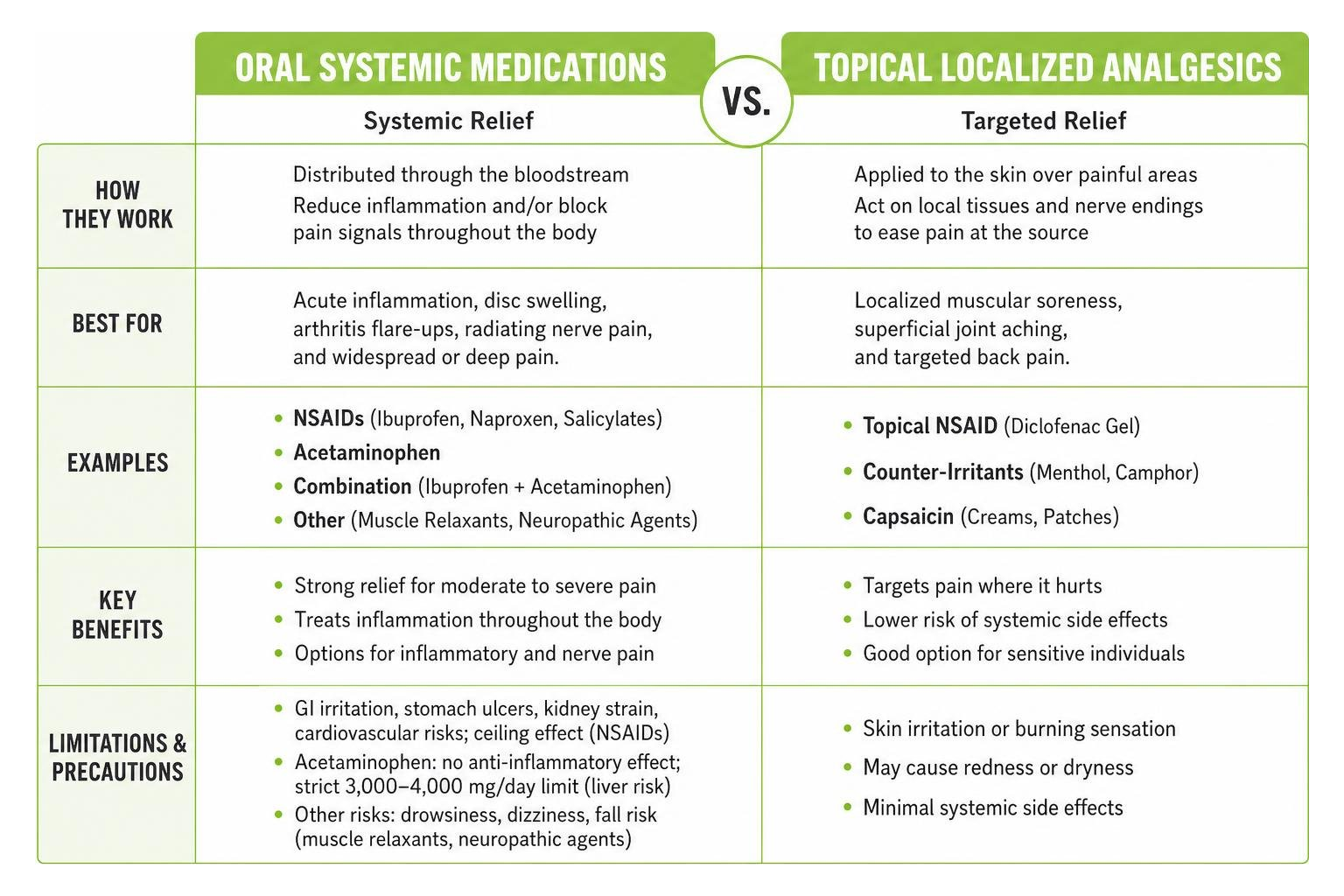
Selecting an appropriate analgesic requires balancing symptom severity against potential health risks. Medications fall into two main delivery categories: systemic (oral tablets, caplets, capsules) which circulate throughout the entire body, and topical (gels, patches, creams) which act locally on superficial tissues.
To help you compare standard therapeutic categories, we have summarized their primary mechanisms, ideal use cases, and key precautions below. If you want a deeper look into selecting retail medications, check out our guide to over-the-counter pain killers for back pain.
| Medication Class | Active Ingredients / Examples | Best For | Typical Limitations & Precautions |
|---|---|---|---|
| Oral NSAIDs | Ibuprofen (Advil, Motrin), Naproxen (Aleve) | Acute muscular inflammation, disc swelling, arthritis flare-ups | GI irritation, stomach ulcers, kidney strain, cardiovascular risks; ceiling effect. |
| Salicylate NSAIDs | Magnesium Salicylate | Targeted backache and joint stiffness | NSAID bleeding precautions; avoid in children/teens due to Reye’s syndrome risk. |
| Non-Opioid Analgesic | Acetaminophen | Mild-to-moderate pain when NSAIDs are contraindicated | Does not reduce inflammation; strict 3,000–4,000 mg/day ceiling to prevent liver damage. |
| Topical Counter-Irritants / Analgesics | Capsaicin, Menthol, Diclofenac Gel | Localized muscular soreness, superficial joint aching | Skin irritation, burning sensation; minimal systemic side effects. |
| Prescription Muscle Relaxants | Cyclobenzaprine, Methocarbamol | Acute, severe muscle spasms (short-term use) | Drowsiness, dizziness, fall risk; not effective for chronic non-spasmodic pain. |
| Neuropathic Agents | Gabapentin, Pregabalin, Duloxetine | Radiating nerve pain (sciatica), lumbar radiculopathy | Drowsiness, dizziness, weight changes; requires gradual dosage titration and tapering. |
Best Over-the-Counter Pain Killer for Waist Pain and Inflammation
Oral nonsteroidal anti-inflammatory drugs (NSAIDs) like ibuprofen and naproxen sodium are widely considered the most effective first-line over-the-counter options for acute waist pain. They work by inhibiting cyclooxygenase (COX-1 and COX-2) enzymes, which halts the production of prostaglandins—the chemical messengers responsible for driving localized inflammation, tissue swelling, and pain sensitivity.
- Ibuprofen: Fast-acting relief. The typical OTC dosage is 200 mg to 400 mg taken every 4 to 6 hours with food, not exceeding 1,200 mg in 24 hours unless directed by a doctor.
- Naproxen Sodium: Longer-lasting relief. The standard OTC dose is 220 mg every 8 to 12 hours, with a daily maximum of 660 mg.
- Magnesium Salicylate: An alternative NSAID formulated specifically for muscular backaches (found in brands like Doan’s). Adults take 2 caplets (580 mg each) every 6 hours, capped at 8 caplets per 24 hours.
Crucial NSAID Warnings: NSAIDs have a strict “ceiling effect,” meaning that taking doses beyond the recommended maximum will not provide extra pain relief—it only spikes your risk of stomach ulcers, gastrointestinal bleeding, and kidney damage. In fact, gastrointestinal side effects such as nausea, belly ache, or heartburn occur in about 5 out of 100 people who take NSAID tablets even for a short time.
If you have a history of peptic ulcers, kidney disease, heart failure, or are taking blood thinners, oral NSAIDs should generally be avoided. In those circumstances, acetaminophen serves as a safer central pain-signal blocker. However, acetaminophen does not treat localized tissue inflammation, and you must never exceed 3,000 mg to 4,000 mg in a 24-hour period to protect your liver. For a step-by-step evaluation before buying, see our essential checklist for OTC pain relief tablets.
Combining Analgesics and Topical Solutions
For tough waist pain, dual-action combination therapies or multimodal approaches can provide enhanced comfort. Combination caplets that blend ibuprofen with acetaminophen—such as Advil Dual Action Back: Acetaminophen & Ibuprofen (also available as Advil Pain Relievers for Back Pain Relief 250 mg Ibuprofen 500 mg Acetaminophen 18 Count – Walmart.com and Buy Advil Dual Action Back Pain Caplets Delivers 250mg Ibuprofen and 500mg Acetaminophen Per Dose for 8 Hours of Back Pain Relief – 18 Count from Dollar General – Instore )—attack pain via two distinct pathways: ibuprofen fights peripheral inflammation while acetaminophen disrupts central pain signaling. This dual action can deliver up to 8 hours of relief while allowing you to take lower total amounts of each individual drug.
Topical therapies are an outstanding alternative or add-on, especially for individuals vulnerable to systemic side effects:
- Capsaicin Creams and Patches: Derived from chili peppers, capsaicin depletes substance P (a pain transmitter in local nerves). According to clinical evidence on chronic back pain medications, 46% of people who used a capsaicin cream or patch experienced a pain reduction of at least 50%, compared to just 25% using a placebo.
- Topical NSAID Gels (Diclofenac): Penetrates directly into localized superficial tissues to soothe inflammation while exposing your stomach and kidneys to only a tiny fraction of the drug compared to oral pills.
- Counter-Irritants (Menthol, Camphor): Create cooling and warming sensations that temporarily distract nerve endings from deeper musculoskeletal ache.
Prescription Medications and Why Opioids Carry Serious Risks
When over-the-counter options fail to provide adequate relief, a formal clinical evaluation is necessary. Our board-certified medical team at California Pain Consultants carefully assesses persistent waist and lower back symptoms to design tailored, non-surgical treatment plans across our San Diego, Kearny Mesa, Chula Vista, Rancho Bernardo, La Mesa, and Miramar clinics. Learn more by reading our detailed guide to back pain medication options.
When You Need a Prescription Pain Killer for Waist Pain
Prescription medications target distinct underlying physiological pathways that OTC pills simply cannot touch:
- Skeletal Muscle Relaxants (e.g., Cyclobenzaprine, Methocarbamol, Tizanidine, Baclofen): Despite their name, muscle relaxants do not act directly on muscle tissue. Instead, they work through the central nervous system (the brain and spinal cord) to produce a sedating, antispasmodic effect that calms severe, acute lumbar spasms. They are generally prescribed for a short window (1 to 2 weeks) because they cause noticeable drowsiness, dizziness, and cognitive fog, making them unsuitable for older adults or long-term chronic management. For broader clinical context, consult the medical guidance on back pain medicines provided by MedlinePlus.
- Neuropathic Pain Modulators (e.g., Gabapentin, Pregabalin): Originally developed as anti-seizure medications, these drugs stabilize overactive, irritated nerve membranes. They are exceptionally useful when waist pain radiates downward due to sciatica or lumbar radiculopathy.
- Antidepressants for Pain Modulation (e.g., Duloxetine, Amitriptyline): Serotonin-norepinephrine reuptake inhibitors (SNRIs) and low-dose tricyclic antidepressants alter neurotransmitter signaling in the spinal cord’s pain-inhibitory pathways. They can reduce chronic low back pain and improve sleep architecture, even in patients who do not suffer from clinical depression.
The Critical Limits and Dependency Hazards of Opioid Analgesics
Prescription narcotics and opioids (such as oxycodone, hydrocodone, tramadol, and morphine) were historically prescribed for back pain, but modern medical guidelines strongly advise against their routine use.
While opioids can blunt acute, severe trauma or post-surgical pain for a few days, clinical trials demonstrate they are remarkably ineffective for chronic low back pain. Systematic reviews show that opioids relieve chronic back pain in only about 15% of affected individuals, yielding a modest average pain decrease of roughly 10%—performing no better than standard NSAIDs over time.
Worse still, opioids carry devastating long-term risks:
- Rapid Physical Dependence and Tolerance: Your body rapidly adapts to opioids, demanding ever-higher doses to achieve the same minor pain relief. The probability of remaining on opioids a full year after starting a short course rises sharply after just five continuous days of use.
- Documented Addiction Rates: In a clinical study where patients with back pain took oxycodone for just 6 weeks, 10% exhibited symptoms of drug dependence that were still present one year later.
- Severe Side Effects: Chronic constipation, hormone disruption, increased sensitivity to pain (opioid-induced hyperalgesia), profound sedation, and life-threatening respiratory depression.
Because of these extreme hazards, we view opioids strictly as a brief, temporary measure for acute emergencies—never a foundational solution for ongoing waist pain. Read our complete breakdown of waist pain relief medicine to understand how modern interventional care safely bypasses these opioid pitfalls.
Non-Pharmacological Treatments and Lifestyle Interventions
Medications are most powerful when used to open a “window of relief” that allows you to move, stretch, and rehabilitate. Relying entirely on pills while remaining sedentary is a recipe for chronic stiffness and recurring injury. For an overview of holistic options, explore our guide to natural approaches to back pain relief.
- Active Recovery Over Bed Rest: Decades of spine research confirm that staying in bed for more than a day or two weakens paraspinal muscles, stiffens spinal joints, and slows tissue healing. Light, regular movement keeps blood circulating to injured discs and muscles.
- Targeted Physical Therapy: A structured physical therapy program strengthens deep core stabilizers—such as the transverse abdominis, multifidus, and pelvic floor muscles—creating a natural internal back brace that unloads your lumbar vertebrae.
- Acupuncture and Massage Therapy: Manual therapies reduce hypertonic muscle trigger points, improve microcirculation, and stimulate the release of natural endorphins.
Physical Movement, Heat Therapy, and Ergonomic Support
Incorporating simple daily habits can dramatically reduce the load placed on your lower back and waist:
- Superficial Heat Therapy: Applying a heating pad or taking a warm bath for 15 to 20 minutes dilates local blood vessels, washes away metabolic waste, and relaxes stiff muscle tissue. (Use ice packs during the first 24 to 48 hours following an acute injury to limit swelling, then transition to heat).
- Low-Impact Aerobic Exercise: Daily 20-minute walks promote blood flow through spinal structures without subjecting your discs to jarring impact forces.
- Sleep Posture Modification: Sleeping flat on your stomach hyperextends the lumbar curve. Instead, sleep on your side with a supportive pillow placed between your knees to keep your pelvis square, or sleep on your back with a pillow under your slightly bent knees to relieve tension along the sciatic nerve.
- Ergonomic Seating and Posture: Ensure your work chair provides firm lumbar support, position your computer monitor at eye level, and take standing breaks every 30 to 45 minutes to prevent spinal disc compression.
Warning Signs: When Waist Pain Requires Immediate Medical Evaluation
The vast majority of lower back episodes represent uncomplicated mechanical strains that resolve over a few weeks. However, waist pain can occasionally signal a severe spinal condition, systemic infection, or internal organ issue (such as kidney stones or an aortic aneurysm) requiring emergency care.
Seek immediate emergency medical attention if your waist pain is accompanied by any of the following “red flag” symptoms:
- Cauda Equina Syndrome Symptoms: Sudden loss of bowel or bladder control (incontinence or urinary retention), or “saddle anesthesia” (loss of sensation in your groin, buttocks, inner thighs, and perineum).
- Progressive Neurological Deficits: Severe or worsening weakness in your legs, such as foot drop (inability to lift the front of your foot) or legs giving out unexpectedly.
- Systemic Red Flags: Waist pain accompanied by unexplained fever, chills, night sweats, or unintentional rapid weight loss.
- History of High-Energy Trauma: Pain originating immediately after a major car collision, sports impact, or serious fall.
- Underlying Medical History: New severe back pain in individuals with an active history of cancer, severe osteoporosis, or compromised immune systems.
For persistent pain that does not resolve after two weeks of conservative self-care, visit a specialist. Discover the full pathway in our comprehensive guide to back pain relievers and care.
Frequently Asked Questions About Pain Relievers for Waist Pain
Is acetaminophen or ibuprofen better for lower waist pain?
For most mechanical waist strains, ibuprofen is significantly more effective than acetaminophen. Ibuprofen is an NSAID that actively targets and reduces inflammatory prostaglandins at the site of tissue injury, disc irritation, or joint swelling. Acetaminophen acts centrally within the brain to dull pain signals but does not reduce peripheral tissue swelling. However, if you have stomach ulcers, kidney disease, or cardiovascular issues, acetaminophen is the safer alternative provided you stay under 3,000 mg per day.
How long can I safely take OTC painkillers for back discomfort?
Over-the-counter pain relievers should generally not be used for more than 10 consecutive days for pain without direct medical supervision. Daily, long-term consumption of NSAIDs carries significant risks of gastrointestinal bleeding, ulcers, and kidney impairment. If your waist pain persists beyond 10 to 14 days, you should schedule a comprehensive evaluation with a pain specialist rather than continuing to self-medicate.
Why are muscle relaxants rarely prescribed for chronic lower back pain?
Muscle relaxants are designed solely for acute, short-term muscle spasms (typically 1 to 2 weeks). They work by depressing the central nervous system, which causes significant daytime sedation, dizziness, impaired reaction time, and fall risks—especially in older adults. Clinical trials show they provide no long-term therapeutic benefit for chronic structural back conditions like disc degeneration or facet joint arthritis.
Conclusion
Navigating waist and lower back discomfort requires a balanced, evidence-based approach. While finding an effective pain killer for waist pain—whether an over-the-counter NSAID, a soothing topical capsaicin cream, or a short course of prescription medication—can help calm acute flare-ups, pills alone are rarely a permanent cure. The most successful recovery plans combine targeted, short-term pharmacological relief with active physical therapy, core conditioning, ergonomic adjustments, and restorative lifestyle habits.
At California Pain Consultants, our board-certified physicians specialize in comprehensive, compassionate, and non-surgical pain management. We are dedicated to identifying the exact root cause of your discomfort and developing a personalized recovery program that restores your mobility, vitality, and quality of life.
If lingering waist pain is holding you back, we invite you to visit us at our locations throughout San Diego, Kearny Mesa, Chula Vista, Rancho Bernardo, La Mesa, and Miramar. Schedule a consultation today and explore specialized back pain medication therapies tailored specifically to your needs.