
Finding the Right Heating Pad for Back Ache Relief
Dealing with this in San Diego? Same-day appointments are often available at our 4 clinics.
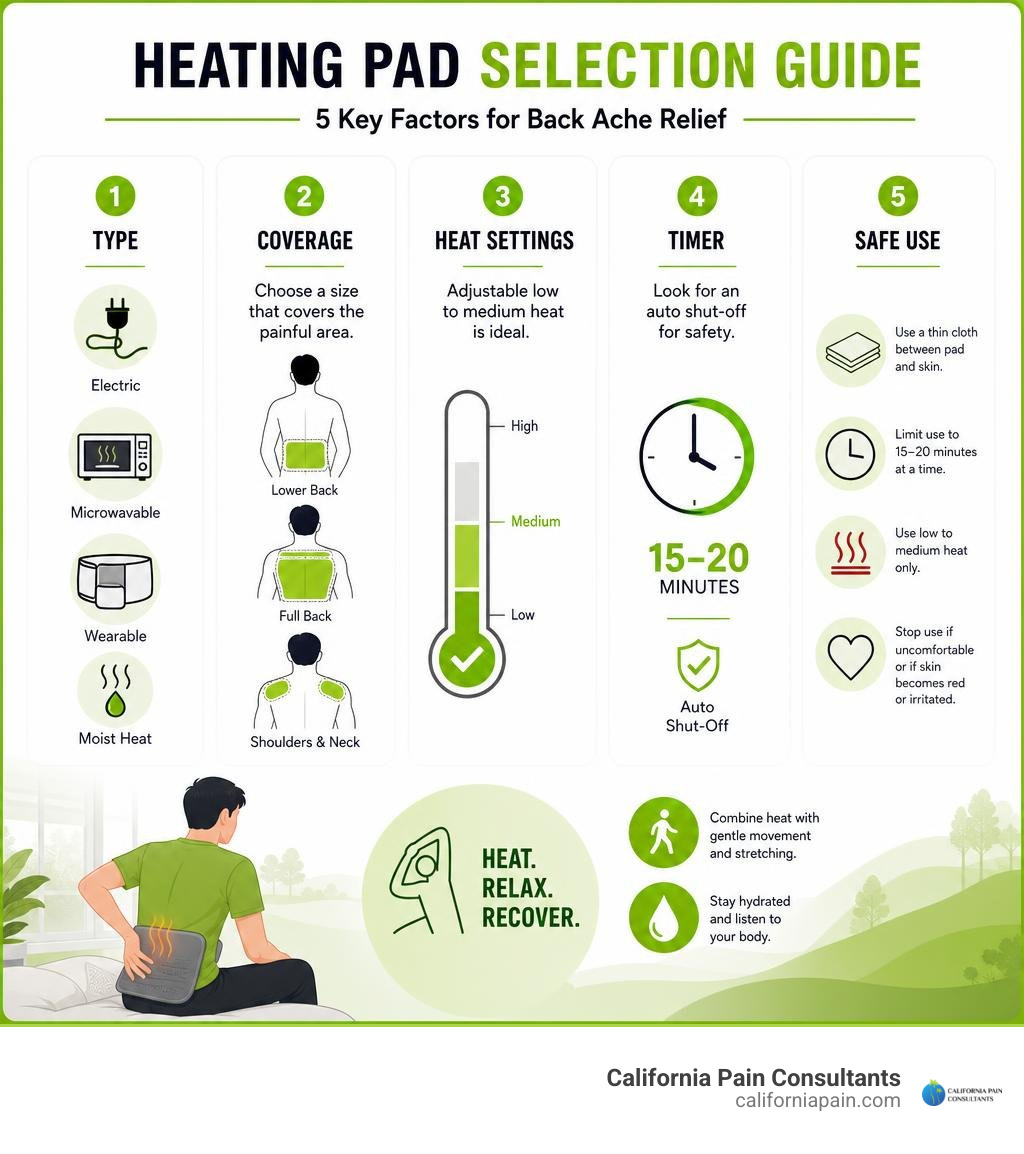
The best heating pad for back ache is one that covers the painful area, has adjustable low-to-medium heat, and includes an automatic shut-off. Use it for 15 to 20 minutes over tight, stiff muscles, with a thin cloth layer between the pad and your skin. Heat is usually most helpful for ongoing soreness, morning stiffness, and muscle spasms, not a new injury with swelling.
A good heating pad can ease discomfort without medication by warming tense muscles and increasing local blood flow. In this roundup, we compare electric, microwavable, wearable, and moist-heat options, plus the safety features that matter most for your back.
I am Dr. Zach Cohen, a double board-certified anesthesiologist and chronic pain physician who treats lower-back, nerve, and joint pain. In my work with people seeking a heating pad for back ache, I view heat as one useful part of a broader plan to restore comfortable movement and reduce pain safely.
Relevant articles related to heating pad for back ache:
How Heat Therapy Works for Back Pain Relief
Applying warmth to a tight lower back is one of the oldest and most dependable ways to find comfort. When you place a thermal device over aching lumbar muscles, the primary physiological response is vasodilation: the local blood vessels expand, allowing a surge of oxygenated blood and essential nutrients to reach damaged or stressed tissues.
This boost in circulation accelerates the removal of metabolic waste products, such as lactic acid buildup, which often causes the stubborn soreness you feel after prolonged sitting or physical exertion. Think of warm muscle tissue like cold mozzarella cheese placed in an oven—it transitions from stiff and resistant to soft and pliable.
Beyond muscular relaxation, heat therapy engages our neurological defenses through the gate control theory of pain. Thermal stimuli activate specialized non-painful sensory receptors (thermoreceptors) in the skin. These pleasant warmth signals travel along fast nerve fibers, effectively closing the neurological “gate” in your spinal cord before slower dull ache signals reach your brain. As outlined in the Healthline Guide on Heat Therapy for Back Pain, thermal applications serve as an exceptional non-pharmacological strategy for musculoskeletal discomfort. If you are exploring comprehensive approaches, incorporating therapeutic warmth offers reliable natural back pain relief without drug-related side effects.
Heat vs. Ice: When to Use Each
Choosing between hot and cold therapy often confuses patients, but matching the temperature to the injury timeline prevents accidental aggravation:
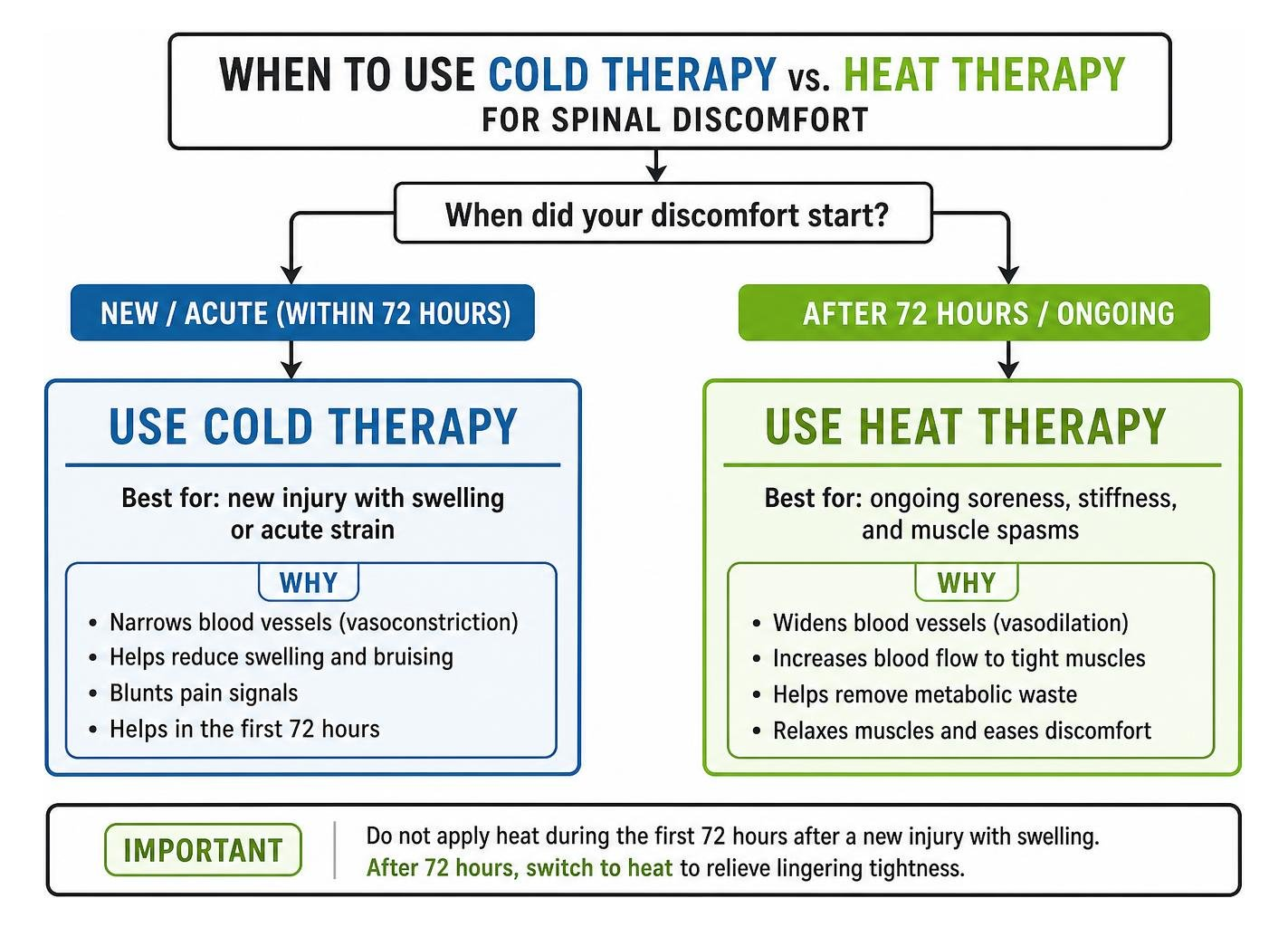
Cold therapy works as a vasoconstrictor, narrowing blood vessels to reduce swelling, blunt acute nerve conduction, and control localized bruising. It is vital during the initial 72 hours following an acute strain (like suddenly throwing your back out while lifting). Applying heat too early can actually increase inflammatory swelling. Once that 72-hour window passes, transition to heat to relieve lingering tightness.
| Feature / Scenario | Cold Therapy (Cryotherapy) | Heat Therapy (Thermotherapy) |
|---|---|---|
| Primary Mechanism | Vasoconstriction (reduces blood flow) | Vasodilation (increases blood flow) |
| Ideal Timing | First 24 to 72 hours post-injury | 72+ hours post-injury & chronic aches |
| Best Used For | Acute sprains, sudden flare-ups, swelling | Morning stiffness, chronic spasms, soreness |
| Application Time | 10 to 15 minutes per session | 15 to 20 minutes per session |
| Rest Period | At least 2 hours between applications | Wait until skin temperature normalizes |
Moist Heat vs. Dry Heat Therapy
When exploring therapeutic pads, you will encounter two varieties: dry heat and moist heat. Standard electric elements produce dry heat, which draws moisture away from the skin. While convenient, dry heat can leave skin feeling parched and takes longer to penetrate deeply into thick spinal muscle groups.
Moist heat utilizes therapeutic moisture or ambient humidity to transfer thermal energy into tissues. Water conducts heat significantly faster than air, allowing moist warmth to penetrate deeper into tense paraspinal muscles without scorching surface tissue. Incorporating deep moisture is an outstanding technique for at-home pain care, providing faster physical relaxation and reduced muscle resistance.
Choosing the Best Heating Pad for Back Ache
Finding the right model depends on where your ache originates and your daily routine. Standard electric pads remain popular for relaxing on a chair, while microwavable herbal or grain packs offer cord-free portability. Infrared heating pads use specialized elements to deliver far-infrared rays that reach deeper structural tissues, though they tend to carry a higher price tag.
Top Features in a Heating Pad for Back Ache
When shopping for reliable thermal support, prioritize these essential features:
- Adjustable Temperature Settings: Most generic drugstore heating pads max out at 120–140°F, while specialized medical-grade units can reach up to 165°F or 170°F. Having multiple distinct settings ensures you can calibrate the heat to your comfort level.
- Automatic Shut-Off: A built-in timer (ranging from 20 minutes to 2 hours) prevents accidental burns and mitigates fire risks if you doze off.
- Generous Coverage Size: A standard 12″ x 24″ (King/XL) or 24″ x 37″ (XXL) pad ensures full spinal coverage from your cervical spine down across your lumbar vertebrae.
- Weighted Edges and Contoured Straps: Built-in weighted borders (typically 2 to 4 lbs) or elastic belts keep the thermal elements snug against the natural curvature of your spine. Discovering how to get instant relief from back pain often comes down to maintaining consistent contact between the heating surface and tight muscles.
Leading Heating Pad Options Reviewed
To help you choose the best device, we evaluated several top-performing models:
- Thermophore Digital Moist Heat Therapy Pad (Model 655): Measuring 14″ x 27″, this heavy-duty unit is the hottest pad in the lineup, reaching up to 170°F. It absorbs ambient humidity through its plush fleece cover to produce automatic moist steam without adding water. Its digital controller allows precise degree-by-degree selection and session timers up to 60 minutes.
- Thermophore MaxHEAT Moist Heating Pad (Model 155): Operating up to 165°F, this unit weighs approximately 4 lbs to deliver comforting, deep-penetrating moist warmth with a fixed 25-minute safety shut-off switch.
- PureRelief XL Extra-Long Back & Neck Heating Pad: Sized at 29″ x 24″, this wearable pad features magnetic neck closures and an elastic belt. It delivers 4 heat settings ranging from 110-140°F with an automatic 2-hour shut-off, making it well-suited for seated desk work.
- KEKOY Extra Large Electric Heat Pad: Featuring a 24″ x 37″ surface, this wearable vest-style pad provides 4 heat levels (110°F / 120°F / 130°F / 140°F), weighted edges, fast-heating wiring, and machine-washable fabric.
- Geniani Extra Large Heating Pad: Measuring 12″ x 24″, this versatile microplush device provides three distinct heat levels (low, medium, and high), dual moist/dry application modes, and a reliable 2-hour auto-off timer.
- Hilph Microwavable Back Heat Wrap: An unscented, cordless clay and grain wrap that delivers targeted, moist warmth across the lumbar spine without requiring an electrical outlet.
Best Practices and Safety Guidelines for At-Home Heat Therapy
While applying warmth feels wonderful, practicing proper thermal safety protects your skin from injury. Prolonged, unmonitored exposure can cause contact burns or erythema ab igne—a mottled, red skin discoloration caused by chronic infrared radiation.
Review our comprehensive overview on safe pain relief: an essential guide alongside practical rules for how to take care of back pain at home to ensure safe recovery:
- Always Use a Protective Barrier: Never apply bare electrical elements directly onto your skin. Use the manufacturer’s cover or place a thin towel between the pad and your body.
- Start Low and Go Slow: Begin your session on the lowest temperature setting. Give the unit several minutes to warm up before increasing the intensity.
- Cap Session Durations: Limit high-heat applications to 15–20 minutes. Low-heat sessions should generally not exceed 30 to 45 minutes.
- Avoid Damaged Skin: Do not apply heat over open cuts, surgical incisions, swollen bruises, or areas treated with topical heating creams (like capsaicin or menthol), as this combination can burn the skin.
- Caution with Neuropathy: Patients with reduced sensation due to diabetes or peripheral nerve conditions must check their skin frequently to prevent unintentional thermal burns.
Safe Heat Application During Pregnancy and Sleep
Expecting mothers frequently experience lumbar muscle tension as their center of gravity shifts. Using a heating pad is generally safe during pregnancy as long as it remains localized. Avoid placing high-heat pads directly over the abdomen or pelvis, and avoid full-body heat sources (like hot tubs) that elevate maternal core body temperature. For tailored strategies, read our guide on home remedies for back pain during pregnancy.
Never go to sleep while an active electric heating pad is powered on. As you fall asleep, your sensory awareness dulls, preventing you from realizing if the pad is overheating. Always verify that your pad’s auto shut-off is active, or unplug the unit before turning out the lights.
Cleaning and Maintenance of Thermal Devices
Keeping your thermal pad clean ensures both hygiene and electrical safety over years of use:
- Detach the Controller: Always disconnect the power cord and electronic controller before cleaning the fabric cover.
- Gentle Washing: Machine wash removable fabric covers on a gentle cycle using cold water and mild detergent. Avoid bleach and harsh fabric softeners.
- Air Dry Completely: Hang the outer cover to air dry thoroughly. Never plug in or operate an electric pad while its internal components or cover are damp.
- Inspect Cords Regularly: Before plugging in your pad, check the electrical cord for fraying, bends, or exposed wires.
- Store Flat: Avoid folding or tightly rolling electric pads, as this can crimp and damage internal heating elements. Store the device flat in a dry closet.
When to Consult a Pain Specialist for Back Ache
Heating pads are fantastic for managing everyday muscular tightness, but they are not a cure-all for structural or neurological spinal conditions. If your back discomfort persists despite conservative self-care, a comprehensive medical assessment is the best next step.
Learn about our clinic’s approach to taking care of your back at home: simple steps for relief and schedule an evaluation for specialized treatment for chronic back pain if you notice any of these clinical red flags:
- Pain that radiates down your buttocks, thighs, calves, or feet (radiculopathy/sciatica)
- Progressive numbness, tingling, or muscle weakness in your legs
- Sudden loss of bowel or bladder control (a medical emergency known as cauda equina syndrome)
- Severe back pain accompanied by an unexplained fever or chills
- Pain resulting from sudden physical trauma, a motor vehicle collision, or a major fall
- Persistent, unremitting discomfort that disrupts sleep or lasts longer than two to three weeks
At California Pain Consultants, our board-certified pain management physicians specialize in non-surgical interventions designed to treat spinal conditions at the source. Serving patients across San Diego, Kearny Mesa, Chula Vista, Rancho Bernardo, La Mesa, and Miramar, we offer personalized diagnostic workups and advanced treatments—including epidural steroid injections, radiofrequency ablation, and targeted physical rehabilitation—to help restore your mobility and comfort.
Frequently Asked Questions About Heat Therapy
How Long Should You Apply a Heating Pad for Back Ache?
We recommend applying your heating pad for 15 to 20 minutes per session. This provides ample time to stimulate local blood flow and relax tight muscle fibers without overheating the skin. Allow your skin temperature to return to baseline for at least 30 to 45 minutes before applying heat again. To learn more about pacing your daily routine, check out how to relieve lower back pain in 7 simple steps.
Can You Lay Directly on an Electric Heating Pad?
No, you should never lie flat on top of an electric heating pad. Trapping the pad between your body weight and a mattress or sofa cushion prevents heat from dissipating. This concentrates thermal energy, increasing the risk of contact skin burns and potentially damaging the internal heating elements. Instead, drape the pad over your back while sitting upright or lying comfortably on your side or stomach.
Why Does Moist Heat Feel More Effective Than Dry Heat?
Moist heat transfers thermal energy into tissue much more efficiently than dry air. The moisture acts as a rapid conductor, penetrating deeper into the paraspinal muscle layers to relieve stiffness quickly without drying out the surface skin.
Conclusion
A high-quality heating pad is one of the most accessible and effective tools for easing lower back tension, morning stiffness, and chronic muscle aches at home. By selecting a device with reliable temperature settings, auto shut-off features, and generous coverage, you can safely soothe aching tissues and maintain active daily movement.
At-home thermotherapy works best as part of a well-rounded wellness routine that includes gentle mobility work, proper ergonomics, and healthy posture. If spinal pain continues to limit your daily activities, our team at California Pain Consultants is here to help you find lasting relief.