Why Knowing the Right Medical Term for Nerve Compression Pain Matters
What medical term best describes pain from nerve compression depends on where the nerve is being compressed. Doctors use radiculopathy when a nerve root in the spine is compressed, mononeuropathy or nerve entrapment syndrome for a compressed nerve in an arm or leg, and nerve compression syndrome as the general term. Here’s a quick answer:
Location of Compression
Medical Term
Spinal nerve root (neck or back)
Radiculopathy / Radicular pain
Peripheral nerve in a limb
Mononeuropathy / Nerve entrapment syndrome
General nerve compression
Nerve compression syndrome / Compression neuropathy
The most precise term doctors use is radiculopathy when the compression happens at a nerve root in the spine. For compressed nerves in the arms or legs, the term mononeuropathy or nerve entrapment syndrome is more accurate.
If you’ve ever felt a sharp, burning, or shooting pain radiating down your arm or leg — or noticed numbness that makes a limb feel like it’s “fallen asleep” — you’ve likely experienced this type of nerve compression pain firsthand.
The right term matters because it shapes your diagnosis, your treatment plan, and ultimately how well you recover.
I’m Dr. Zachary Cohen, double Board Certified in Anesthesiology and Chronic Pain, and understanding what medical term best describes pain from nerve compression is central to the interventional and non-surgical pain management strategies I use daily at California Pain Consultants. With advanced training from UC San Diego’s pain fellowship program, I’ll walk you through everything you need to know to identify, understand, and address nerve compression pain.

Simple what medical term best describes pain from nerve compression glossary:
What Medical Term Best Describes Pain From Nerve Compression?
When we talk about nerves being “squeezed,” we are usually referring to a group of conditions that medical professionals call nerve compression syndrome, compression neuropathy, or entrapment neuropathy. These terms describe a medical condition caused by direct, chronic pressure on a peripheral nerve.
This pressure can lead to a variety of symptoms, including shooting or burning pain, a dull ache, tingling, and muscle weakness. At its core, the pressure disrupts the nerve’s ability to send signals properly. If the pressure is short-lived, the nerve usually bounces back quickly. However, if that “squeeze” lasts too long, it can lead to focal demyelination (damage to the nerve’s protective coating) or even more severe axon degeneration.
For a deeper dive into these classifications, you can explore the technical definitions of radiculopathy and nerve compression syndrome. While “pinched nerve” is the common phrase you’ll hear in most San Diego coffee shops, we prefer these specific terms because they tell us exactly what is happening under the skin.
What medical term best describes pain from nerve compression in the spine?
If the compression occurs specifically where the nerve exits the spinal cord, the term is radiculopathy. The specific pain associated with this is called radicular pain.
This is most common in the “load-bearing” areas of your back. In our clinics in La Mesa and Chula Vista, we frequently see two main types:
- Cervical Radiculopathy: This happens in the neck. It often manifests as pain or numbness that travels down into the shoulder and arm.
- Lumbar Radiculopathy: This occurs in the lower back. A classic example is sciatica, where a herniated disc or spinal stenosis puts pressure on the nerve roots, sending “zingers” of pain down the leg to the foot.
What medical term best describes pain from nerve compression in the limbs?
When the compression happens away from the spine—for instance, in your wrist, elbow, or knee—we call it mononeuropathy or a peripheral nerve entrapment.
The most famous example of this is Carpal Tunnel Syndrome. This occurs when the median nerve is squeezed as it passes through the small “tunnel” in your wrist. Other examples include “Saturday night palsy” (radial nerve compression) or “cyclist’s palsy” (ulnar nerve compression). If you are experiencing these symptoms, seeking nerve damage treatment early is vital to prevent long-term muscle loss.
Understanding Radicular Pain vs. Neuropathic Pain
It is helpful to distinguish between the mechanism (compression) and the sensation (pain).
Radicular pain is a specific type of pain that radiates along a dermatome—a specific area of skin supplied by a single spinal nerve. If a doctor knows exactly where your skin feels numb or painful, they can often pinpoint exactly which spinal “level” is being compressed.
Neuropathic pain, on the other hand, is a broader umbrella term. It refers to any pain caused by a lesion or disease of the somatosensory nervous system. While all radicular pain is neuropathic, not all neuropathic pain comes from compression (it could be from diabetes or toxins, for example).

To help you distinguish between the two primary types of compression, we’ve put together this comparison:
Feature
Radiculopathy (Spinal)
Mononeuropathy (Peripheral)
Primary Location
Neck or Lower Back
Joints (Wrist, Elbow, Knee)
Pain Pattern
Follows a Dermatome (long path)
Localized to the limb/extremity
Common Cause
Herniated Disc, Bone Spurs
Repetitive motion, narrow tunnels
Example
Sciatica
Carpal Tunnel Syndrome
For those dealing with long-term issues, our Chronic Nerve Pain Ultimate Guide offers extensive resources on managing these sensations.
Common Causes and Symptoms of Nerve Entrapment
Why do nerves get squeezed in the first place? Usually, it’s because the “real estate” around the nerve has become crowded. Nerves often travel through narrow spaces called osteofibrous tunnels. If the tissues surrounding these tunnels—bones, cartilage, muscles, or tendons—swell or shift, the nerve gets caught in the crossfire.
Common Causes
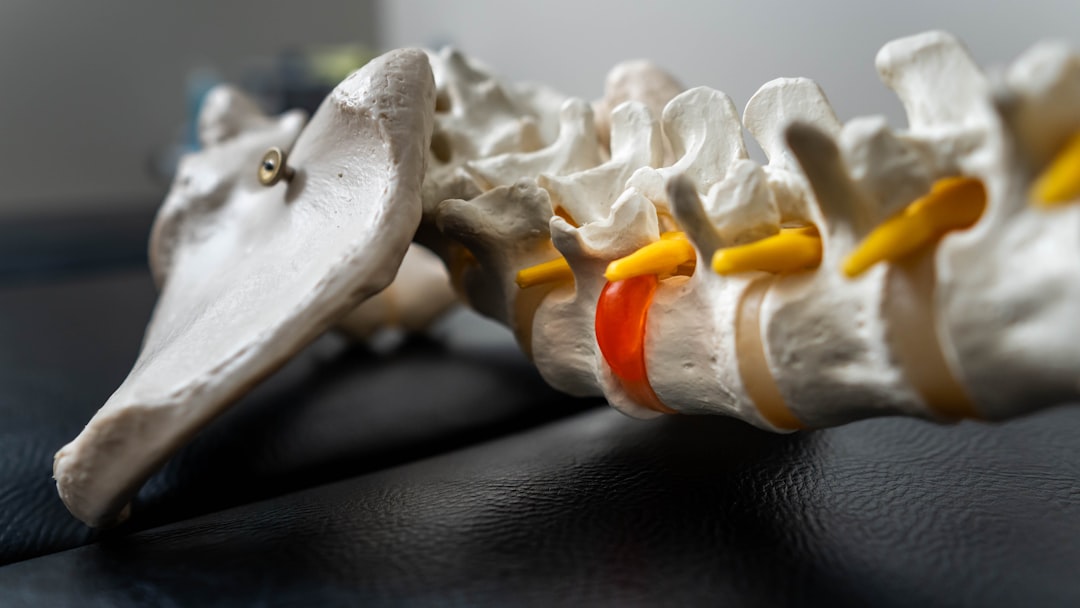
- Herniated Discs: Often called a “slipped disc,” this is when the soft center of a spinal disc pushes through a tear in the tougher exterior, pressing on a nearby nerve root.
- Bone Spurs (Osteoarthritis): As we age, our bodies may develop extra bone growths that narrow the spaces where nerves travel.
- Spinal Stenosis: A degenerative, age-related narrowing of the spinal canal.
- Repetitive Stress: Activities like typing, assembly line work, or even certain sports can cause tendons to swell, leading to conditions like carpal tunnel.
- Trauma: Accidents or sudden injuries can cause immediate inflammation and compression.
Typical Symptoms
- Radiating Pain: Sharp, aching, or burning pain that travels outward from the site of compression.
- Paresthesia: That “pins and needles” sensation or the feeling that a limb has “fallen asleep.”
- Numbness: A decreased sensation in the area supplied by the nerve.
- Muscle Weakness: Difficulty grasping items or a noticeable loss of strength in the affected limb.
- Worsening at Night: Many people find their symptoms intensify while they are trying to sleep.
Whether you are looking for sciatica pain treatment options, herniated disc pain management, or even piriformis syndrome treatment, identifying these symptoms early is the first step toward relief. You can learn more about these triggers at the Mayo Clinic’s guide on pinched nerves.
Diagnosis and Treatment Options for Compressed Nerves
At California Pain Consultants, we believe in a “measure twice, cut never” approach—focusing on precise diagnosis and non-surgical interventions.
How We Diagnose
- Physical Exam: We test your reflexes, muscle strength, and sensory responses. Tests like the “straight leg raise” can help us identify lumbar issues.
- Imaging: MRI scans are the gold standard for seeing soft tissues like discs and nerves. X-rays can help us spot bone spurs.
- Electromyography (EMG) and Nerve Conduction Studies: These tests measure the electrical activity in your muscles and the speed at which signals travel through your nerves. This helps us confirm if a nerve is truly damaged and where the blockage is located.

Standard Treatments
Most people (up to 80-90%) recover from a pinched nerve within a few weeks using conservative methods.
- Rest and Activity Modification: Sometimes, simply stopping the repetitive motion or adjusting your ergonomics is enough.
- Physical Therapy: Specialized exercises can strengthen the muscles supporting the spine and improve flexibility, taking the pressure off the nerve.
- Medications: We often recommend NSAIDs (like ibuprofen) to reduce inflammation. For more severe cases, we might look at our nerve pain relief medications guide or discuss specific nerve pain medication.
- Injections: Epidural steroid injections or nerve blocks can deliver powerful anti-inflammatory medicine directly to the source of the “squeeze.”
Explore our full range of neuropathy treatment options to see how we can help you avoid the operating room.
Frequently Asked Questions About Nerve Compression
How long does it take for a pinched nerve to heal?
The vast majority of pinched nerves get better within 8 to 12 weeks with conservative care. Many people start feeling better within just a few days of rest. However, the timeline depends on the severity of the compression. If symptoms persist beyond a few weeks despite home care, it’s time to see a specialist. You can find more on pinched nerve recovery timelines through clinical resources.
Can untreated nerve compression cause permanent damage?
Yes. This is why we urge patients not to “tough it out” for too long. Severe nerve compression that goes untreated for more than six weeks can lead to permanent muscle loss (atrophy) and irreversible nerve damage. If you notice muscle wasting or a complete loss of sensation, seek medical attention immediately.
What are the primary risk factors for nerve compression?
- Age: It is much more common in adults over 50 due to spinal degeneration.
- Obesity: Excess weight puts more stress on the spine and can lead to inflammation.
- Pregnancy: Weight gain and water retention can increase pressure on nerves.
- Diabetes: High blood sugar can make nerves more vulnerable to compression.
- Occupation: Jobs involving repetitive motions (typing, assembly line work) or heavy lifting significantly increase risk.
Conclusion
Understanding what medical term best describes pain from nerve compression—whether it’s radiculopathy in your back or a mononeuropathy in your wrist—is the first step toward getting your life back. You don’t have to live with the “zingers,” the numbness, or the weakness.
At California Pain Consultants, we specialize in comprehensive, non-surgical pain management. Serving San Diego, La Mesa, Chula Vista, and the surrounding areas, our board-certified doctors are dedicated to providing personalized, compassionate care. We focus on restoring your mobility and helping you find long-term relief through multifaceted treatments.
If you’re feeling the squeeze, don’t wait for permanent damage to set in. Find relief with nerve pain medication and expert guidance by reaching out to us today. Let us help you take the pressure off.
Reviewed and maintained by California Pain Consultants. This educational article is intended to help patients understand pain symptoms, treatment options, and when to seek professional care.
Medical disclaimer: This content is for patient education only and does not replace diagnosis, medical advice, or treatment from a licensed clinician. If pain is severe, worsening, or linked with new weakness, numbness, fever, injury, or loss of bladder or bowel control, seek urgent medical care.
Local care: California Pain Consultants treats chronic pain conditions across San Diego County with offices in Kearny Mesa, La Mesa, Chula Vista, and Rancho Bernardo. Find a location or call (858) 571-3630.
Frequently Asked Questions
Why Knowing the Right Medical Term for Nerve Compression Pain Matters?
What medical term best describes pain from nerve compression depends on where the nerve is being compressed. Here’s a quick answer. The most precise term doctors use is radiculopathy when the compression happens at a nerve root in the spine.
What Medical Term Best Describes Pain From Nerve Compression?
When we talk about nerves being “squeezed,” we are usually referring to a group of conditions that medical professionals call nerve compression syndrome, compression neuropathy, or entrapment neuropathy. These terms describe a medical condition caused by direct, chronic pressure on a peripheral nerve.
What medical term best describes pain from nerve compression in the spine?
If the compression occurs specifically where the nerve exits the spinal cord, the term is radiculopathy. The specific pain associated with this is called radicular pain. This is most common in the “load-bearing” areas of your back. In our clinics in La Mesa and Chula Vista, we frequently see two main types.
What medical term best describes pain from nerve compression in the limbs?
When the compression happens away from the spine—for instance, in your wrist, elbow, or knee—we call it mononeuropathy or a peripheral nerve entrapment. The most famous example of this is Carpal Tunnel Syndrome. This occurs when the median nerve is squeezed as it passes through the small “tunnel” in your wrist.
What should patients know about understanding radicular pain vs. neuropathic pain?
It is helpful to distinguish between the mechanism (compression) and the sensation (pain). Radicular pain is a specific type of pain that radiates along a dermatome—a specific area of skin supplied by a single spinal nerve. If a doctor knows exactly where your skin feels numb or painful, they can often pinpoint exactly which spinal “level” is being compressed.
What symptoms should patients watch for with feeling the squeeze? learn the?
Why do nerves get squeezed in the first place? Usually, it’s because the “real estate” around the nerve has become crowded. Nerves often travel through narrow spaces called osteofibrous tunnels. If the tissues surrounding these tunnels—bones, cartilage, muscles, or tendons—swell or shift, the nerve gets caught in the crossfire.
What should patients know about common causes?
Herniated Discs: Often called a “slipped disc,” this is when the soft center of a spinal disc pushes through a tear in the tougher exterior, pressing on a nearby nerve root. Bone Spurs ( Osteoarthritis ): As we age, our bodies may develop extra bone growths that narrow the spaces where nerves travel.